
Spain's winning of the World Cup for the second time by defeating Argentina 1-0 in extra time on July 19, 2026, added another star to the country's football history. But this victory brought not only the ninety minutes on the pitch, but also cities extending from Madrid to Barcelona, Bilbao to Valencia, and their unique cultures back to the world's agenda.
Because in Spain, football is much more than a game that fits inside stadiums.
Sometimes it appears in the shared memory of a square, sometimes on a small pitch between neighborhoods, and sometimes in the architecture and daily rhythm of a city. Just like players growing up in different regions of the country, cities tell different stories under the same jersey.
Following Spain's second star, this route promises another discovery of Spain carrying the traces of football rather than a sports journey.
Madrid: The City Where the Cup Returned
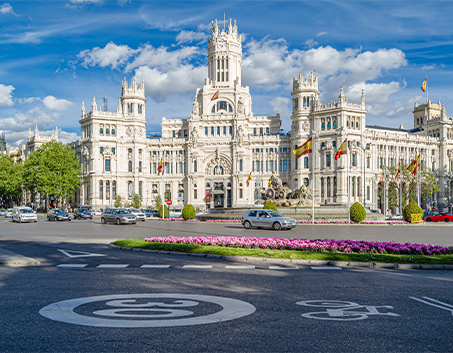
The world champions' return to the country turned into a massive celebration in Madrid. The team's journey through the city ended at Cibeles, one of the capital's most famous squares. The square, synonymous with football celebrations, is actually a powerful starting point to get to know Madrid.
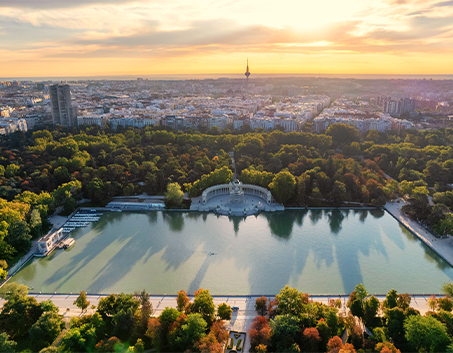
The magnificent structures rising around Cibeles Fountain, the liveliness of Gran Vía, and the wide avenues of Paseo del Prado form the monumental face of the capital. Paseo del Prado, extending from Cibeles to Atocha, and El Retiro Park are included in the UNESCO World Heritage List under the name "Landscape of Light". Connecting the Prado, Thyssen-Bornemisza, and Reina Sofía museums, this approximately two-kilometer walk demonstrates how quickly Madrid can transition from football to art.
Reading the city only through its grand avenues is not enough. La Latina's El Rastro market on Sundays, Malasaña's independent shops, Salamanca's more refined urban life, and Retiro's shaded paths reveal Madrid's different rhythms. Squares filling up in the evening hours and a dining culture extending late into the night make one feel Madrid's habit of living on the streets, football or not.
Ciudad del Fútbol in Las Rozas, where the national team prepared before the tournament, is a quieter stop on this route in Madrid. Located far from the grandiosity of the city center, the facility is where players from different regions of the country meet within the same system. However, what makes Madrid interesting is that this sporting story can come side by side with art, architecture, and daily life within just a few streets.
Football Laboratories Behind the Stadiums
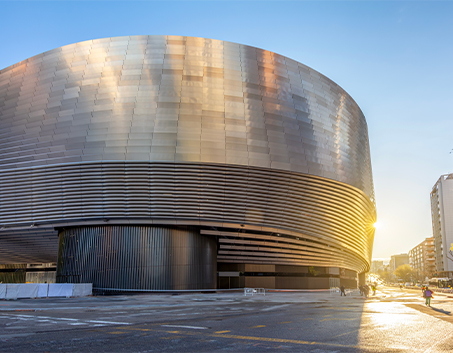
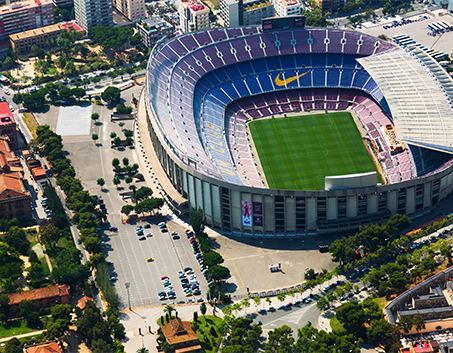
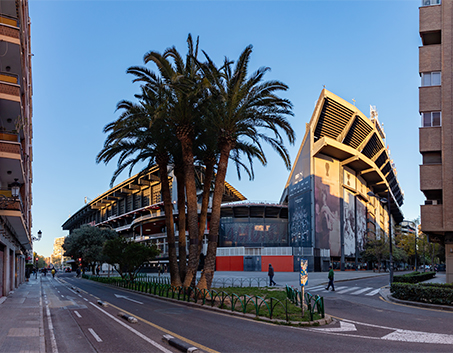
To understand Spain's football culture, looking only at major stadiums like Bernabéu, Camp Nou, San Mamés, or Mestalla is not enough. The country's actual production centers are often located outside cities, far from tourist crowds.
La Masia in Barcelona, Lezama near Bilbao, Zubieta in San Sebastián, and Paterna in Valencia work as football laboratories where young people are educated, live, and adopt a specific city culture, rather than just training facilities. What makes these centers interesting is not only the players they raise. Each carries the character of its region: creativity and game intelligence in Barcelona, belonging in Bilbao, education and continuity in San Sebastián, and the speed and spontaneity of Mediterranean football in Valencia come to the fore.
Barcelona: The Game Blending into the City's Rhythm
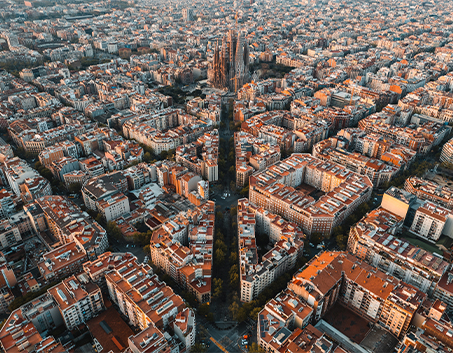
In Barcelona, football has a distinct identity just like the city's architecture. On one side are the geometric streets of Eixample and Gaudí's boundary-pushing structures; on the other are the narrow passages of the Gothic Quarter, the creative shops of El Born, and Barceloneta's daily life opening to the sea.
Bearing the title of World Capital of Architecture in 2026, Barcelona deserves to be rediscovered through its public spaces and neighborhood culture, beyond famous structures like Sagrada Família, Casa Batlló, and La Pedrera. From the splendor of Passeig de Gràcia to the more local squares of Gràcia, from the expansive views of Montjuïc to walks along the Mediterranean coast, the city takes on a different character in every neighborhood.
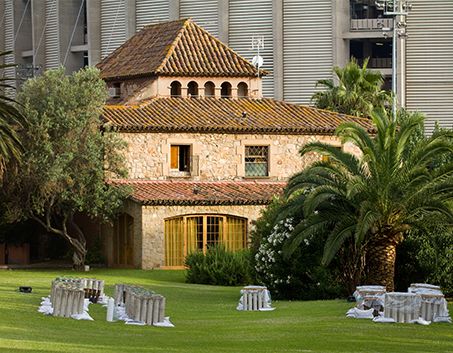
La Masia can be thought of as the football equivalent of this city culture. Taking its name from an old Catalan farmhouse built in 1702, the system continues today in modern facilities in Sant Joan Despí. Figures raised here like Lamine Yamal represent Barcelona's long-term investment in youth, creativity, and a specific idea of play.
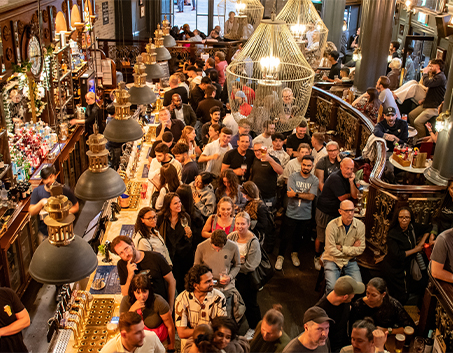
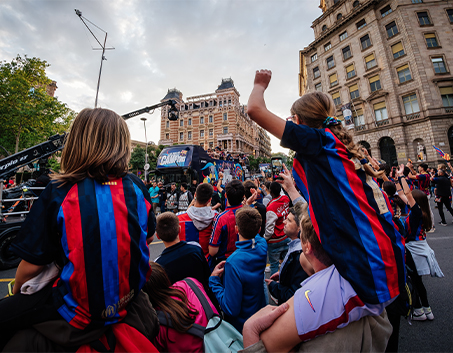
Yet even for a visitor who is not a football enthusiast, this culture can be felt in the city. Neighborhood bars filled on match days, flags hung on balconies, and children playing ball in the squares transform football's place in Barcelona into a natural part of daily life rather than a massive tourist show.
From Bilbao to San Sebastián: Another Spain on the Atlantic Coast
For those who want to get away from the sunny Mediterranean images that come to mind when Spain is mentioned, the Basque Country offers a completely different geography. With its green hills, changeable Atlantic weather, strong gastronomy culture, and unique language, this region is one of the country's most characterful travel routes.
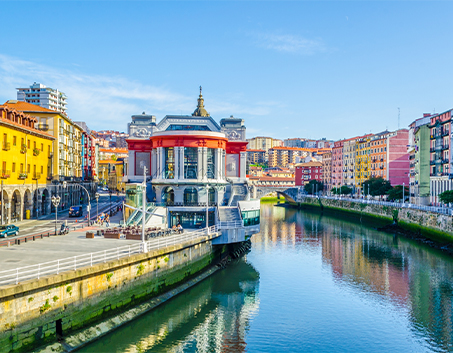
The first stop of the route is Bilbao. The old industrial city shaped around the Nervión River experienced one of the world's most striking urban transformation stories following the opening of the Guggenheim Museum in 1997. Although Frank Gehry's titanium-clad structure is still the symbol of the city today, Bilbao's true texture emerges in the crossings between both sides of the river.
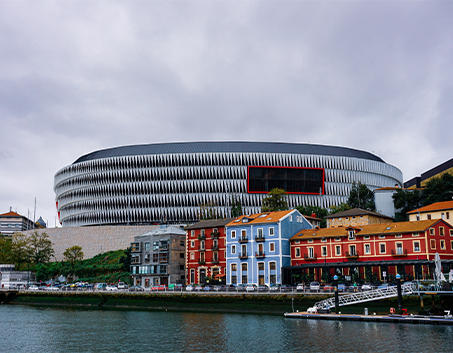
Walking from the Guggenheim towards Casco Viejo, contemporary architecture gives way to historic streets, small squares, and pintxos bars. The area around La Ribera Market is one of the most vibrant stops of the city's relationship with gastronomy. Bilbao's structure bringing old and new together finds its counterpart in football culture as well. Although San Mamés is a modern stadium, it continues to represent Athletic Club's tradition of preserving local identity.
Lezama, about 15 kilometers outside Bilbao, is the center where this tradition is passed on to new generations. Athletic Club's system, based on players born or raised in the Basque region, shows that football here is seen as a form of belonging rather than a matter of transfers.
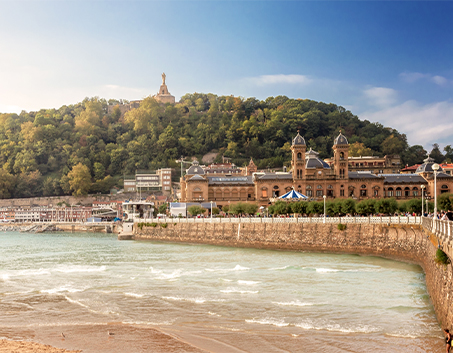
Moving east from Bilbao to San Sebastián, the atmosphere changes noticeably. Promenade paths around La Concha Bay, elegant structures remaining from the Belle Époque era, and the narrow streets of Parte Vieja offer a quieter, measured city experience.
In San Sebastián, it is possible to spend the day walking along La Concha, watching the bay from Monte Igueldo, or extending out to Eduardo Chillida's Wind Comb sculptures meeting the sea. In the evening, trying pintxos by hopping from bar to bar in Parte Vieja instead of sitting at a single restaurant is one of the most natural ways to join the city's daily rhythm.
Real Sociedad's football center in Zubieta also carries San Sebastián's understated character that values details. Here, education is not considered separately from the athletic development of young players. Thus, the journey between Bilbao and San Sebastián offers an opportunity to compare two different city cultures of the same geography rather than two rival clubs.
Valencia: The Green City Opening to the Mediterranean
The story of Ferran Torres, who scored the winning goal in the World Cup final, began in Paterna near Valencia. But what includes Valencia in this route is not just football; it is its structure bringing together historic texture with contemporary city life, and Mediterranean coasts with expansive green spaces.
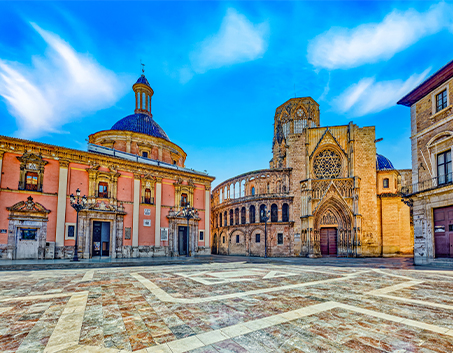
The city's old center brings together different periods within a few minutes' walking distance of each other. Lonja de la Seda, an important example of Gothic architecture, Mercado Central with its colorful dome and hundreds of stalls, squares between narrow streets, and ceramic-tiled facades form Valencia's historic face.
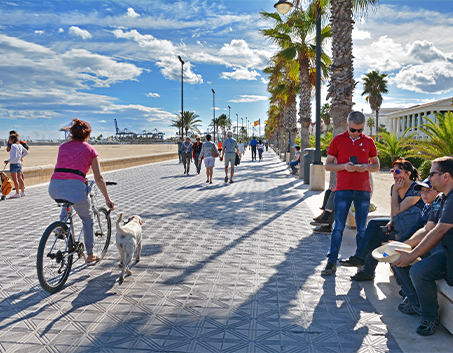
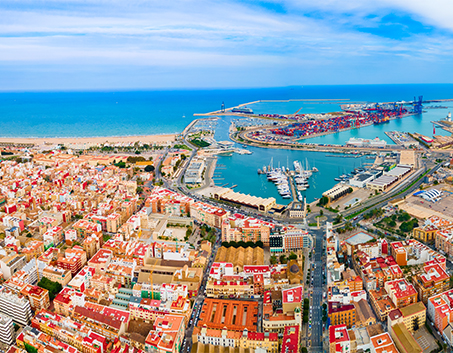
Turia Gardens, created by transforming the old Turia River bed into an approximately nine-kilometer stretch, is the point where the city sets itself apart from conventional Mediterranean cities. The green belt featuring bike paths, sports areas, and parks extends from the historic center to the City of Arts and Sciences designed by Santiago Calatrava.
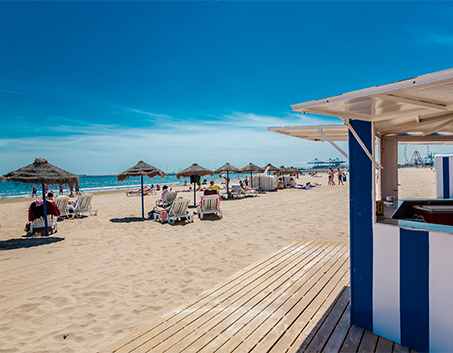
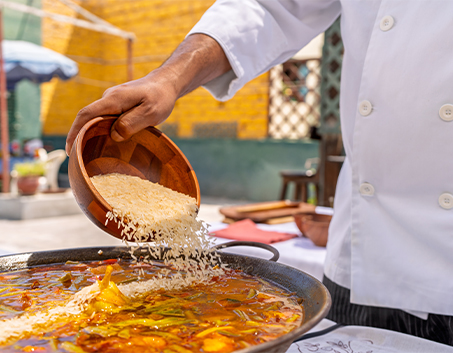
Heading towards the sea, Cabanyal's colorful houses, seaside restaurants, and wide beaches showcase another side of the city. For those wanting to experience Valencian cuisine at its source, the Albufera area where paella was born is a strong reason to go beyond the city center.
Those wishing to continue the football route can visit Mestalla; however, the youth academy in Paterna represents the less visible side of this story. Ferran Torres's football education starting at age seven extending to the World Cup final serves as a reminder that cities sometimes prepare moments watched by the world years in advance.

Vila-real: A Small Town Opening to the World through Football
Vila-real, north of Valencia, is the most unexpected stop on the route. Despite hosting a well-known club in European football, it is not a big metropolis; it is a town maintaining its scale with historical squares, orange groves, ceramics industry, and a peaceful daily life.
The vaulted structures of Plaça de la Vila, wall ruins from the 13th century, and Torre Motxa carry the city's Medieval past into today. The El Termet natural area and the surroundings of the Mijares River outside the center offer visitors arriving for football an unexpectedly tranquil nature break.
Even the name Estadio de la Cerámica references the city's economic and cultural identity. Villarreal CF's museum and stadium tour tells the club's success together with the city's ceramic history and local sense of belonging. Thus, the stadium becomes not just a structure where matches are played, but a city showcase where Vila-real presents itself to the world.
Looking at Spain's World Cup victory through these cities reveals not merely a championship story. Madrid's magnificent squares, Barcelona's creative energy, Bilbao's transformation, San Sebastián's elegance, Valencia's Mediterranean rhythm, and Vila-real's big dream built on a local scale meet on the same map. The second star can be a current reason to visit Spain again. The real journey, however, begins not by chasing the trophy, but by following the footprints football leaves on the cultures of these cities.